


Mit einer interessanten Produktpflege wartet TFDI auf. Mit RealLight sei es nun möglich die Beleuchtungseffekte des P3DV4 voll auszunutzen. Die Bilder sehen ganz passabel aus…
Background
Since release, we’ve received quite a bit of criticism on our night lighting in the cockpit. Although not unjustified, it’s been frustrating for us, because it would take completely remapping the entire cockpit (an involved process) to even make a dent. Then, we’d still have to find a way to get around the old 16 bit format and poor blending methods available to us in older simulator platforms. With that in mind, we started evaluating ways to improve the lighting. We arrived at RealLight.
Technology
This new technology uses new systems available in Prepar3D v4 to offer near instant, crystal clear, efficient lighting. This eliminates the blotchy look (banding) that we saw previously. Unfortunately, to use the technology properly, we had to utilize functionality only available in Prepar3D v4. The lack of memory constraints also helped.
The foundation of the technology inspired by the Milviz Lighting System that we had used prior (special credit to Jon Bleeker at Milviz). Our developers had worked along side him to refine and expand that system, and it served as a springboard into RealLight, although the conversion ultimately caused a rewrite of nearly all code. Credit to him for the blending method is due.
Unlike other third party solutions, RealLight must be implemented by the developers at a lower level of the project – the result, of course, being an integrated experience.
Media
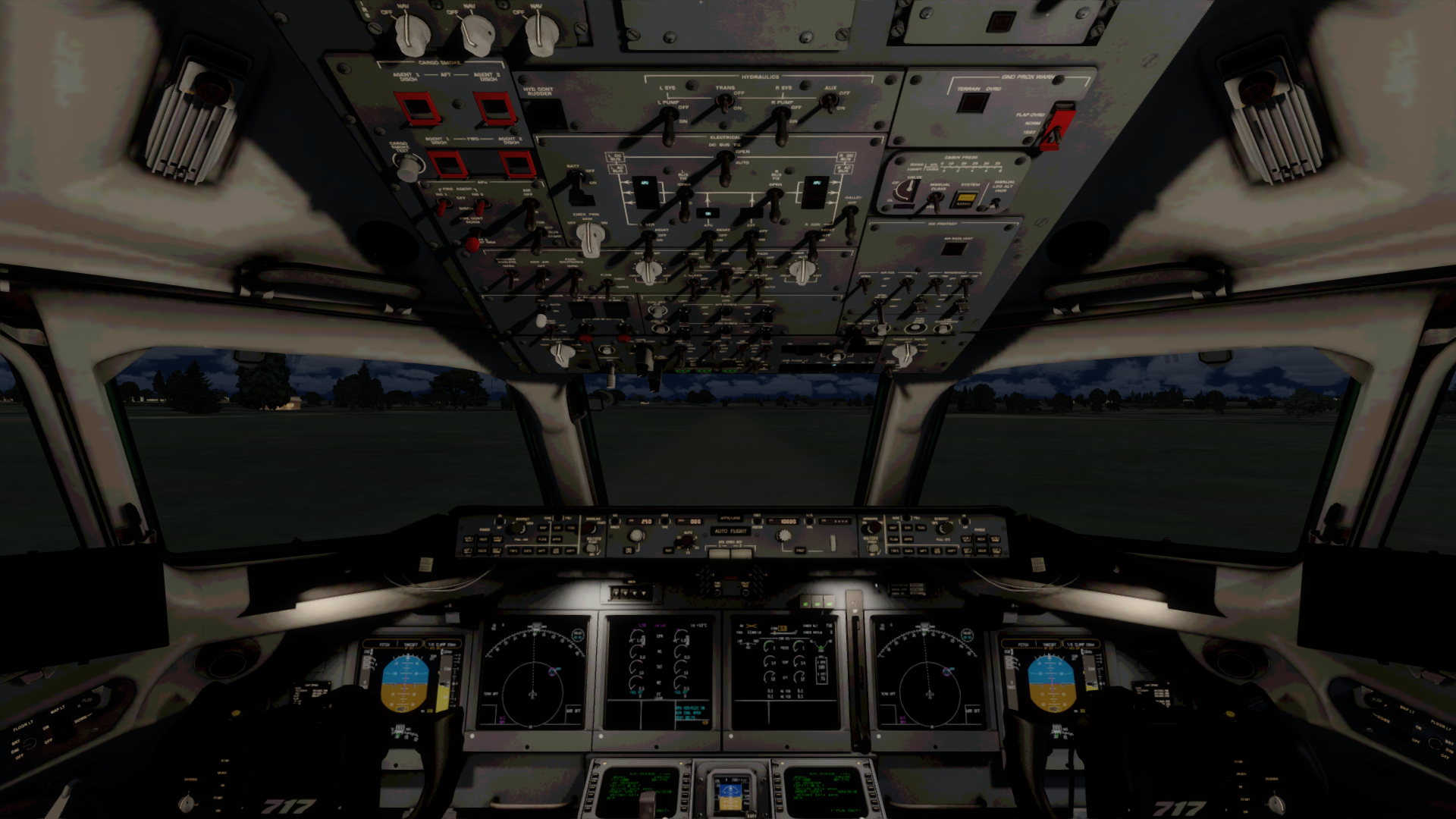
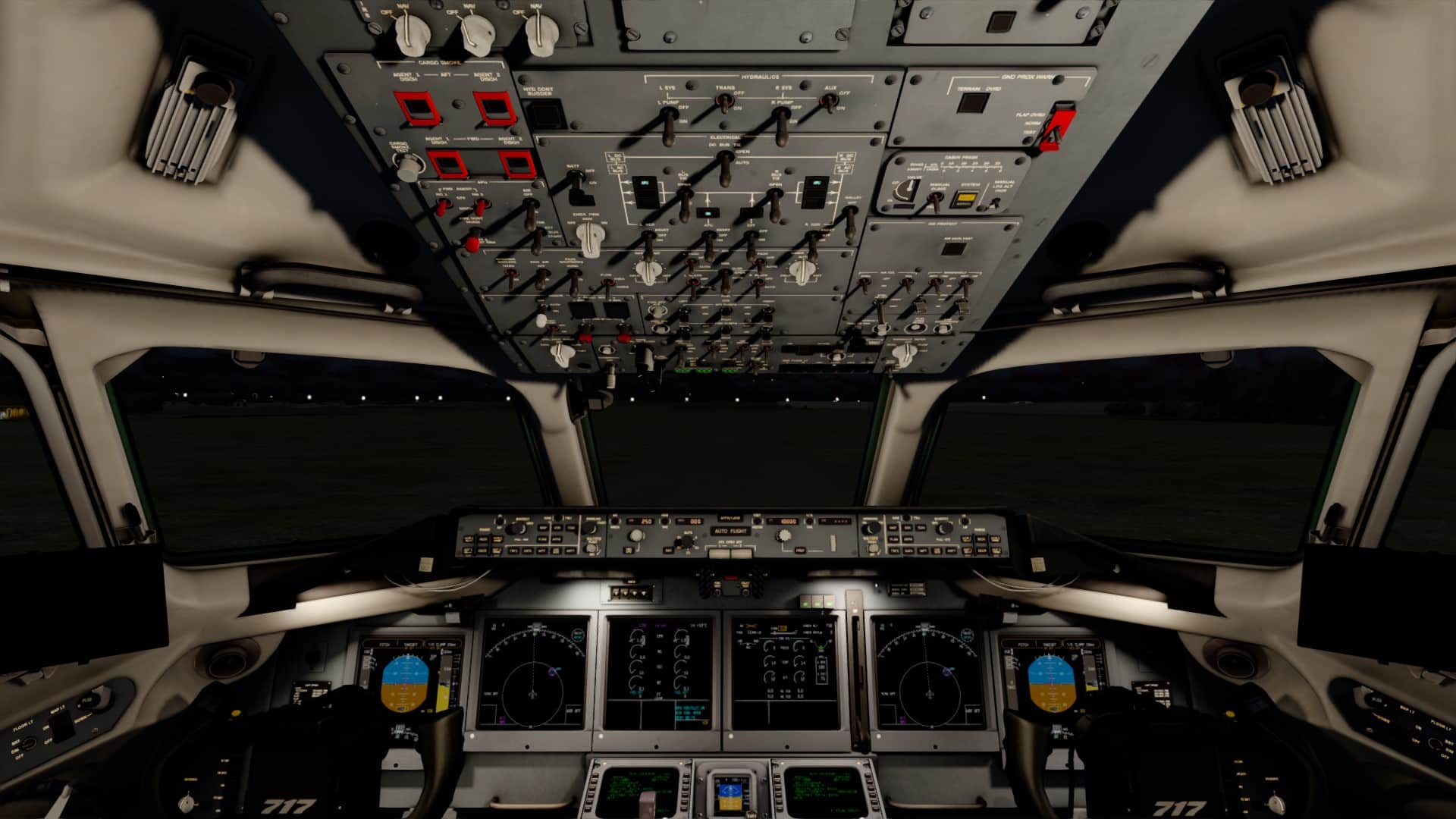
Here is a comparison between the old method and RealLight.
Prepar3D v3 and below:
RealLight in Prepar3D v4:
Why RealLight
We decided to brand RealLight as a technology standard so that other products using it will be able to establish to their users an expectation of quality. We intend to use this technology in other products and are looking in to licensing or sharing the technology with other developers.
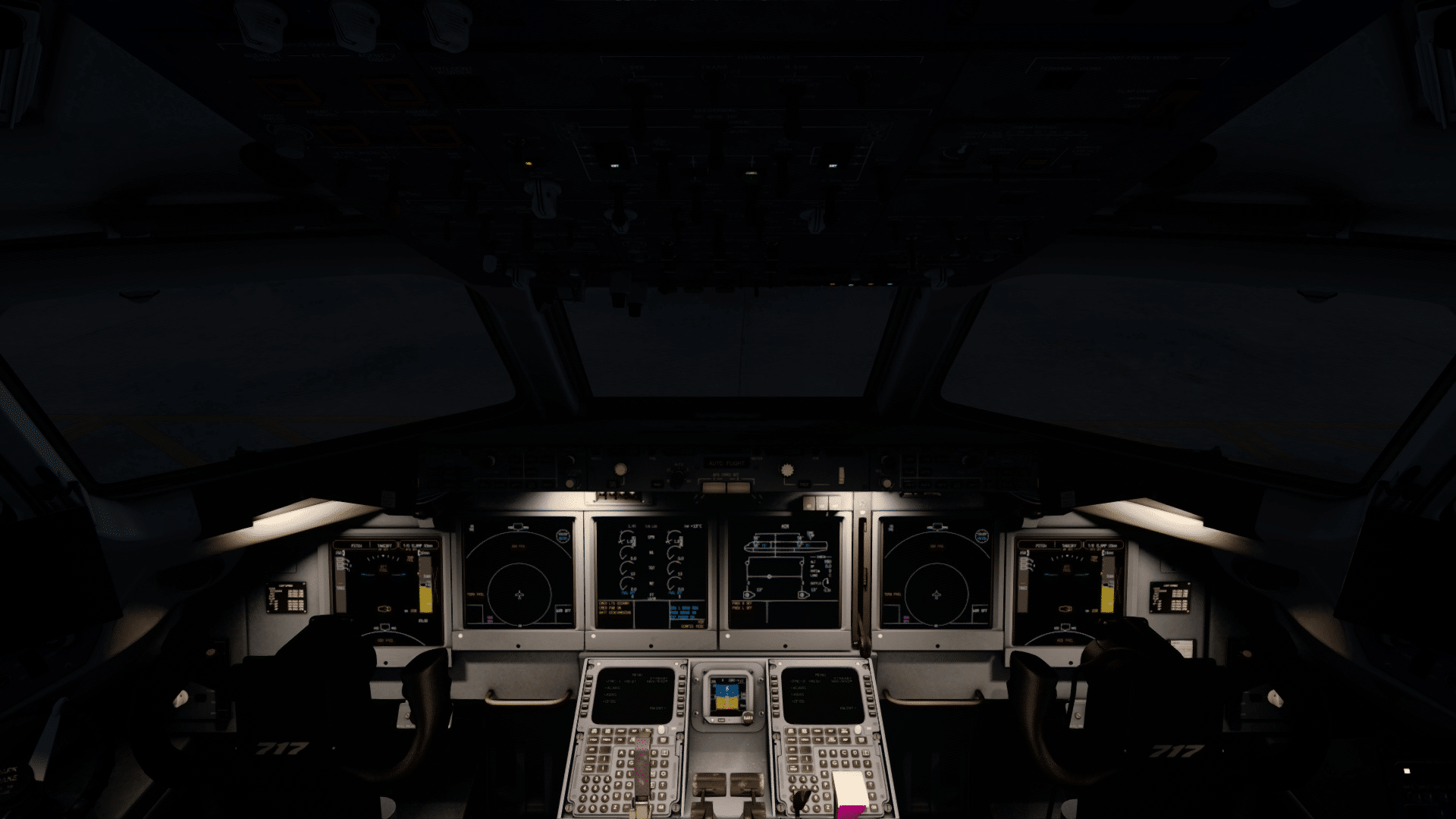
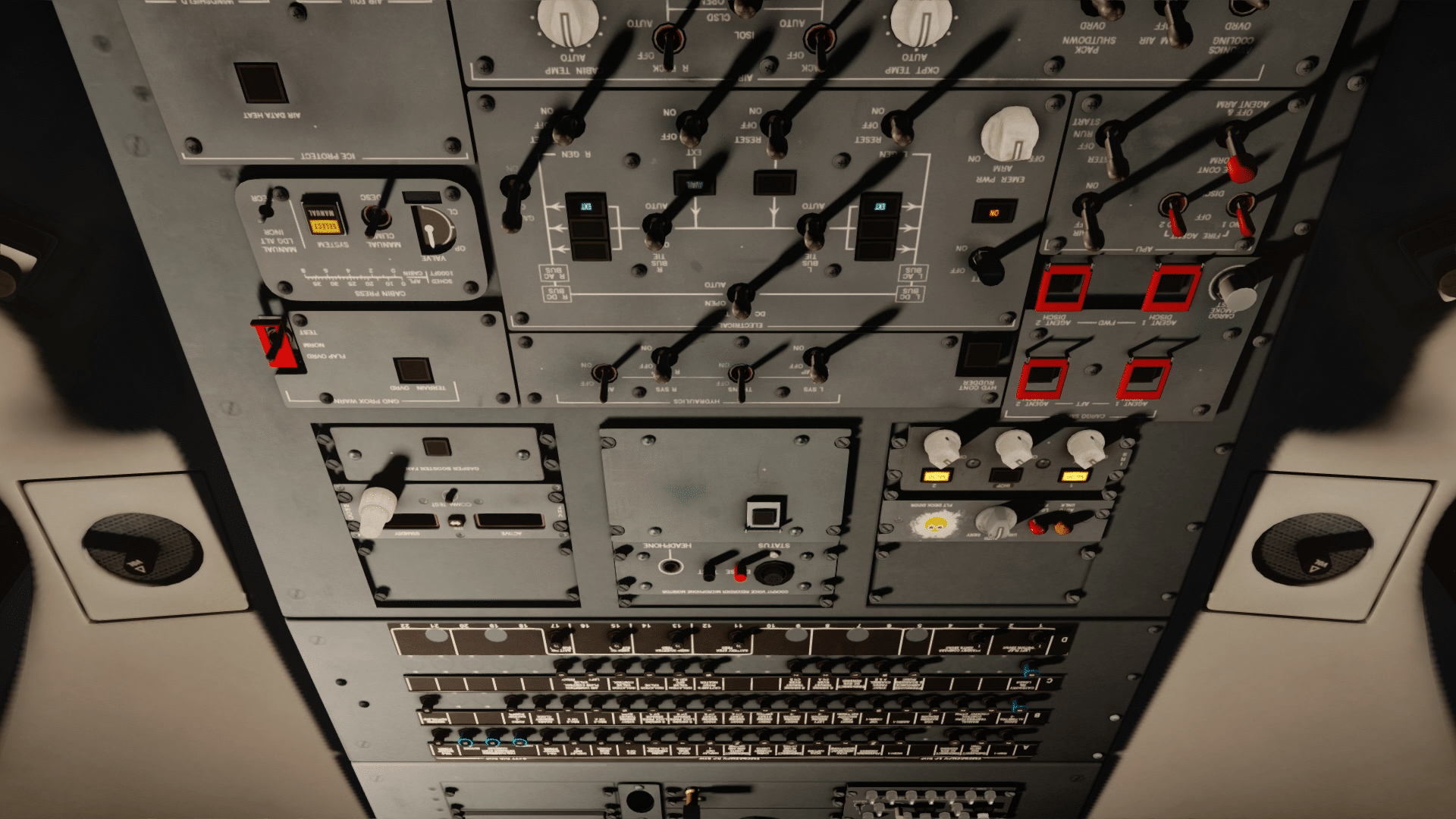
Additional Media


Frage bleibt, wie sich das auf die Frames auswirkt. Dem Vernehmen nach soll die 717 ohnehin nicht gerade leichtfüßig sein…
Also ich hätte mich über eine funktionierende HOLD Funktion mehr gefreut. Aber schaut nett aus, ja.